

IMPORTANT: YOUR HOME MAY BE REPOSSESSED IF YOU DO NOT KEEP UP REPAYMENTS ON YOUR MORTGAGE.
A mortgage for professionals is a specialized home loan that adjusts standard underwriting to account for expected future earnings and professional recognition, rather than current income alone. Standard lenders typically apply a debt-to-income (DTI) threshold of 43% or lower; professional mortgages can make allowances beyond that ceiling, and may exclude deferred student loans from the DTI calculation entirely. If you are a lawyer, doctor, finance professional, or self-employed business owner in England, the practical next step is a specialist pre-assessment with Havenmarkadvisers to confirm eligibility before approaching any lender directly.
Key Takeaways
Professional mortgages in England offer materially better terms for qualifying professionals, but only when the application is correctly matched to the right lender and packaged with the right evidence.
| Point | Details |
|---|---|
| Definition and DTI | Professional mortgages often adjust underwriting for future earnings and may exclude deferred student loans from the 43% DTI threshold. |
| Who qualifies | Doctors, solicitors, accountants, pilots, vets, and other regulated professionals, typically within 5–10 years of qualification. |
| Key lender allowances | Some specialist lenders offer income multiples up to 6x and LTV up to 95% for certain loan sizes, subject to affordability assessments and lender-specific criteria; product terms and limits vary by lender. |
| Documentation readiness | Prepare registration proof, payslips or certified accounts, and credit history before approaching any lender. |
| Havenmarkadvisers | One dedicated adviser, 10+ years of specialist experience, and a fixed completion fee; book a pre-assessment at havenmarkadvisers.co.uk. |
Table of Contents
-
How do eligibility rules differ for self-employed, contractors, and trainees?
-
What does the mortgage process look like from start to completion?
-
What the conventional wisdom on professional mortgages gets wrong
What is a professional mortgage in the UK?
A professional mortgage is a home loan product in which the lender underwrites primarily on future earning potential and professional registration, not solely on current income. That distinction matters most for early-career professionals whose present salary understates their trajectory: a medical resident, a newly qualified solicitor, or a trainee chartered accountant may have a DTI that would disqualify them under standard criteria, yet qualify comfortably under a profession-specific product.
Experian’s overview of profession-specific mortgages identifies the core lender allowances that separate these products from standard retail mortgages:
-
Higher loan amounts tied to projected career earnings rather than current salary alone
-
Low or no deposit options for applicants with strong professional credentials
-
PMI waivers in some product ranges, reducing monthly cost
-
Flexible DTI treatment, including the exclusion of deferred student loan payments from affordability calculations
-
Enhanced income multiples, with some UK lenders offering up to 6x income multiples for qualifying professionals, subject to affordability and lender criteria
Consider a medical resident carrying £60,000 in student debt on a deferred repayment plan. Under standard underwriting, those deferred payments inflate the DTI calculation and may push the applicant past the 43% threshold. A professional mortgage lender may exclude that deferred balance entirely, making the same applicant eligible for a substantially larger loan.
Which professions typically qualify for these products?
Most lenders offering professional mortgage options draw from a defined list of recognized occupations, requiring registration with a governing professional body rather than just working in a high-earning field.
Commonly accepted professions include:
-
Medical: doctors, dentists, optometrists, pharmacists, veterinarians
-
Legal: solicitors, barristers, legal executives
-
Finance and accounting: chartered accountants (ACA, ACCA, CIMA), financial analysts, banking professionals
-
Other regulated professions: pilots, architects, engineers (chartered)
Qualification windows matter. The Co-operative Bank for Intermediaries and similar specialist lenders commonly require applicants to have qualified within the preceding 5–10 years. The Tipton’s intermediary guidance confirms that underwriting discretion, rather than automated scoring, governs most professional product decisions, which means a specialist adviser’s ability to package the application correctly is a material factor in the outcome.
For legal professionals specifically, Havenmarkadvisers maintains a dedicated service for lawyers and legal professionals, addressing the income structures and registration evidence that lenders in this category require.
What practical benefits do professional mortgages offer?
The borrower-facing advantages are concrete and affect both affordability and monthly outgoings.
-
Higher income multiples: Kensington Mortgages and Metro Bank both list income multiples up to 6x for qualifying professionals, subject to affordability and underwriting discretion.
-
Higher LTV ratios: Scottish Building Society’s professional mortgage allows up to 95% LTV for certain loan sizes, with limits adjusting for larger loan bands.
-
Deferred student loan exclusions: Excluding deferred payments from DTI can materially reduce the calculated affordability gap for early-career professionals.
-
PMI waivers: Where applicable, removing private mortgage insurance reduces the monthly payment without requiring a larger deposit.
-
Larger loan ceilings: Products designed for high earners can accommodate purchase prices that standard multiples would not reach.
Pro Tip: A low- or no-deposit route is most realistic when you can demonstrate active registration with a recognized professional body and provide evidence of a confirmed employment contract or partnership agreement. Lenders treat those documents as proxies for future earning certainty.
How do eligibility rules differ for self-employed, contractors, and trainees?
Standard income evidence does not apply uniformly across all professional scenarios. Each nonstandard income type carries its own underwriting logic.
Self-employed professionals must demonstrate income through two to three years of certified accounts and, where applicable, SA302 tax calculations. Lenders average net profit or salary-plus-dividend figures across the available years. Havenmarkadvisers provides dedicated guidance for self-employed applicants and business owners on structuring this evidence.
Day-rate contractors are assessed on annualized day-rate income, typically calculated as the daily rate multiplied by 46–48 working weeks. Lenders require a current contract and evidence of a pipeline. Havenmarkadvisers’ day-rate contractor service covers the specific documentation lenders accept for this income type.
Trainees and residents benefit most from deferred student loan exclusions and future-earnings underwriting. The key document is confirmation of the training contract or residency agreement, alongside evidence of professional body registration.
Foreign nationals face additional scrutiny on residency status and visa type. Indefinite leave to remain (ILR) holders generally access the broadest product range; applicants on skilled worker visas may face LTV restrictions or require a larger deposit.
Document checklist by scenario:
-
Employed professionals: Photo ID, last three months’ payslips, P60, proof of professional registration, bank statements
-
Self-employed: Applicants typically provide photo ID, two to three years’ certified accounts, SA302 and tax year overviews, and bank statements
-
Day-rate contractors: Photo ID, current contract, last three months’ bank statements, CV or contract history
-
Trainees/residents: Training contract, professional body registration confirmation, payslips, student loan statement
-
Foreign nationals: Photo ID, visa documentation, proof of residency, payslips or accounts, bank statements
A specialist adviser mitigates the most common lender concerns, including income inconsistency and short employment history, by selecting lenders whose criteria match the applicant’s profile before submission.
What documents and credit checks do lenders require?
Lenders assess two things simultaneously: the completeness of the documentation file and the applicant’s credit position. Gaps in either create delays or refusals.
Credit score bands and their typical effects:
| Credit band | Likely effect on application |
|---|---|
| Good | Access to the broadest product range and most competitive rates |
| Fair | Some lenders may require a larger deposit or apply a rate premium |
| Poor | Specialist lender routes likely; standard professional products may be unavailable |
Student loans deserve specific attention. Experian confirms that professional mortgage lenders may exclude deferred student loan payments from the DTI calculation, which can be the difference between qualifying and not qualifying for applicants with significant deferred balances.
Havenmarkadvisers’ offer-readiness process covers dossier preparation in detail, including how to present accounts, contracts, and registration evidence in the format lenders expect.
What does the mortgage process look like from start to completion?
A typical professional mortgage case in England runs from pre-assessment to legal completion in eight to fourteen weeks, depending on property type and lender workload.
-
Pre-assessment (1–3 days): Adviser reviews income, credit position, and professional registration to identify suitable lenders.
-
Lender selection and decision in principle (3–5 days): Adviser matches the application to the most appropriate product and secures a DIP.
-
Full application submission (1–2 weeks): Complete documentation file submitted; lender underwrites the case.
-
Valuation and survey (1–2 weeks): Lender instructs a valuation; delays here are common for new-build properties.
-
Formal mortgage offer (1–2 weeks post-valuation): Offer issued subject to legal conditions.
-
Legal completion (2–4 weeks): Solicitors exchange contracts and complete the transaction.
Delays most commonly occur at the valuation stage and during legal exchange. For new-build purchases, Havenmarkadvisers’ new build mortgage service addresses the specific timeline and deposit treatment considerations that apply.
Pro Tip: Prepare a complete, lender-specific document pack before the application is submitted. A single dedicated adviser who manages follow-ups directly with the underwriter reduces back-and-forth by days, sometimes weeks.
How do you choose the right specialist mortgage adviser?
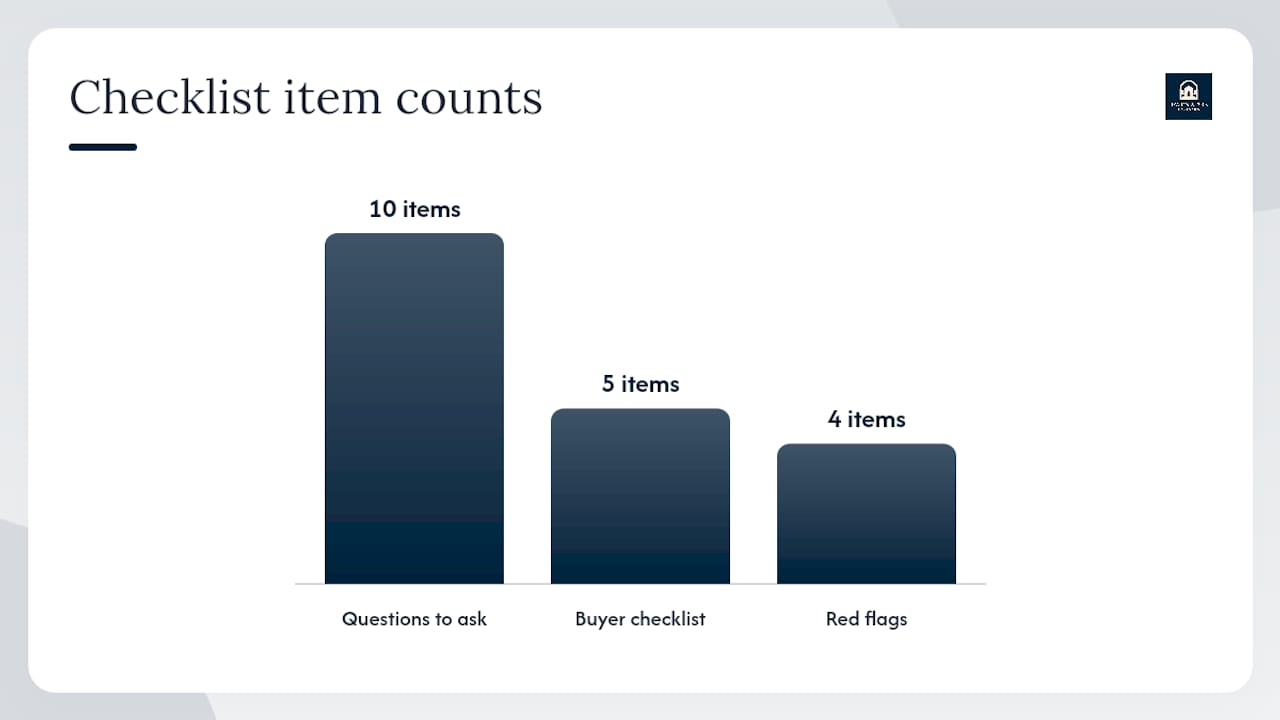
The right adviser materially increases approval probability and can shorten the timeline by weeks. The selection criteria below apply specifically to professionals with nonstandard income.
Buyer checklist:
-
FCA-regulated status (verify on the FCA register)
-
Demonstrable specialist experience with your profession type
-
Single dedicated adviser from pre-assessment to completion
-
Access to a broad lender panel, including specialist and intermediary-only lenders
-
Transparent, fixed fee structure disclosed upfront
Ten questions to ask before instructing an adviser:
-
Are you FCA-regulated, and can you confirm your firm’s registration number?
-
How many professional mortgage cases have you handled in my specific field?
-
Which lenders are on your panel, and do you access specialist or intermediary-only products?
-
Will I have one dedicated point of contact throughout the process?
-
How do you handle complex income, such as day-rate contracts or partnership drawings?
-
What is your fee structure, and when is the fee payable?
-
How do you package deferred student loan evidence for lenders?
-
What is your typical timeline from pre-assessment to offer?
-
How do you manage lender follow-ups and underwriter queries?
-
Can you describe a recent case similar to my situation and its outcome?
Red flags to avoid:
-
No clear fee disclosure before engagement
-
Multiple adviser handoffs during the process
-
A limited lender panel with no specialist or intermediary-only access
-
Inability to confirm FCA registration on request
Havenmarkadvisers assigns one dedicated adviser from the first pre-assessment call through to legal completion. Their advisers generally have substantial specialist experience and access to a broad range of UK lenders, including specialist lender markets, and manage underwriter queries directly while packaging complex income evidence appropriately. Clients pay a set fee upon completion, with no ambiguity on cost.
How Haven Mark Advisers helps professionals secure mortgages
Haven Mark Advisers provides structured mortgage advice and proactive case management for professionals with complex or nonstandard income, assigning a single dedicated adviser from the initial pre-assessment through to completion.
Client services include:
-
Pre-assessment to confirm eligibility and identify suitable lenders
-
Lender matching based on profession type, income structure, and credit position
-
Dossier preparation, including accounts, contracts, and registration evidence
-
Credit remediation advice where the credit file requires attention before application
-
Active case management, including direct underwriter liaison
-
Post-offer support through to legal completion
A self-employed solicitor with two years of trading accounts and a day-rate contract history approached Haven Mark Advisers after being declined by a high-street lender. The adviser identified a specialist lender whose professional product accepted averaged net profit across two years and excluded the client’s deferred student loan balance from the DTI calculation. The application proceeded to a formal offer within eleven weeks.
To book a specialist pre-assessment, visit Haven Mark Advisers’ residential mortgage page. A pre-assessment typically takes 30–45 minutes and requires payslips or accounts, proof of professional registration, and a summary of existing credit commitments.
Haven Mark Advisers: structured advice for professionals
Professionals with complex income structures, whether lawyers, finance workers, self-employed directors, or day-rate contractors, benefit most from an adviser who understands how lenders assess their specific income type.

Haven Mark Advisers is the structured alternative to a standard mortgage broker for professionals in England. One dedicated adviser manages the full process, from pre-assessment to completion, with access to specialist and intermediary-only lenders that high-street brokers do not reach. The fee is fixed and disclosed at the outset, payable on completion. There are no handoffs, no ambiguity on cost, and no generic advice.
Lawyers, doctors, finance professionals, self-employed business owners, and contractors who want a clear eligibility check and a lender-matched application can book a pre-assessment with Haven Mark Advisers now.
What the conventional wisdom on professional mortgages gets wrong
Most articles on this topic treat professional mortgages as a straightforward benefit: qualify by profession, receive better terms. The reality is more conditional. The product’s value depends almost entirely on how the application is packaged and which lender receives it.
A professional mortgage submitted to the wrong lender, with incomplete registration evidence or an unaddressed deferred loan balance, will not perform better than a standard application. The underwriting discretion that makes these products flexible also means that a poorly presented file can be declined at the same rate as any other. The adviser’s role is not administrative; it is the mechanism by which the product’s flexibility is actually realized.
Professionals who instruct a generalist broker and expect the professional mortgage label to do the work are frequently disappointed. The label is a category, not a guarantee. What converts the category into an approval is a lender-matched, correctly packaged application managed by an adviser with direct experience in that profession’s income structure.
Sources
The following sources were used in preparing this article and are recommended for further reference:
This article is general information, not a substitute for advice from a qualified financial advisor. Consult a qualified financial professional about your own circumstances before acting on anything here.